
PTIR — Evening Briefing — July 29, 2026
If you have 10–15 minutes tonight: register for one free professional-development event, then save two sharply teachable security cases. Nothing from the Spam/Trash recovery pass met the bar for inclusion.
Executive Summary
Three new items made the cut. The strongest immediate lesson is that a legitimate hostname is not proof that user-created content—or the download it redirects to—is trustworthy. The other security case shows how malicious behavior can be divided among several apparently ordinary npm packages. A free August 5 briefing offers a practical look at how AI changes the economics of technical debt.
Action Queue
1. Adopt the official-download rule after the FakeAgent campaign
🔴 Immediate · ★★★★★
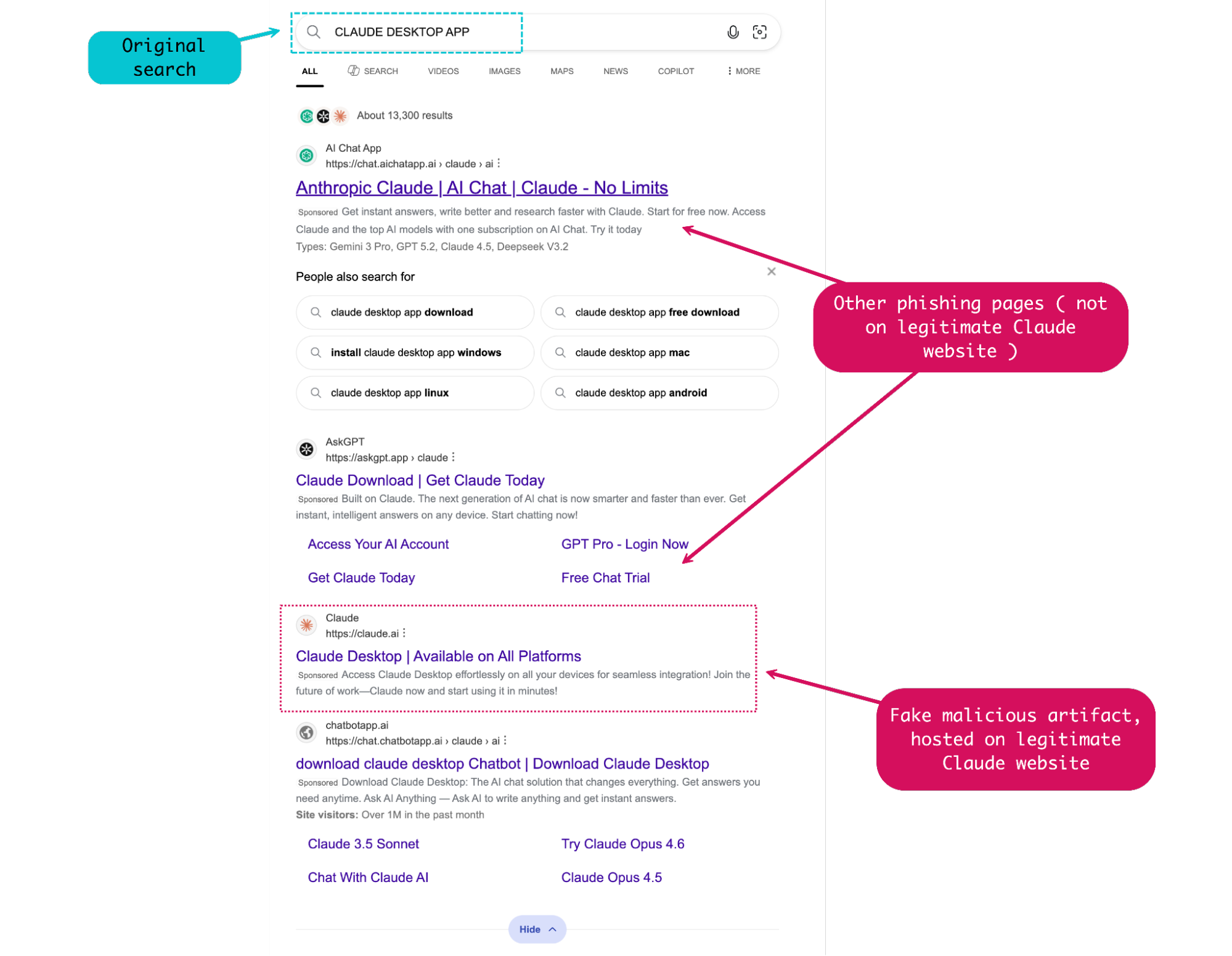
What: Huntress documented a July 21–22 campaign in which a sponsored search result led to a genuine claude.ai user-created artifact, which then directed victims to a fake ClaudeDesktop.exe carrying SectopRAT. Huntress observed impact at 29 organizations; Anthropic removed the malicious artifact.
Why it matters: This is a compact, current example for cybersecurity teaching and a useful safeguard when installing AI and developer tools across macOS and Linux.
Action: Save the case study and make “navigate to the vendor-owned download page directly” the default installation rule. Do not infer compromise unless the fake installer was actually run.
Status: Verified July 29, 2026. Deadline: No announced deadline; apply the practice immediately. Cost: Free to read; no regular price. Requirements: None.
Read the official Huntress research → Use the official Claude download page →
2. Register for CODE’s State of Technical Debt 2026 briefing
🟡 This week · ★★★★☆
What: A free, live 90-minute executive briefing with Markus Egger on how AI affects technical-debt measurement, modernization decisions, and legacy-system economics.
Why it matters: Useful professional development and a source of concrete discussion prompts for students about AI-assisted maintenance versus wholesale rewrites.
Action: Register and add the session to the calendar.
Status: Verified active July 29, 2026. Deadline: Event is Wednesday, August 5, 2026, 12:00–1:30 p.m. Central; no registration cutoff announced. Cost: Free; regular price not applicable. Requirements: Registration, email address, and internet access. No certificate announced.
Register on the official CODE page →
3. Save Socket’s distributed npm malware case
🟡 This week · ★★★★☆
What: Socket documented a July 28 cluster of npm packages aimed at Alibaba developers. The packages split malicious behavior across a dependency tree and assembled a cross-platform remote-access tool.
Why it matters: It is a strong web-development teaching example: reviewing only a top-level package can miss risk distributed among dependencies.
Action: Read the defensive analysis and save it for a dependency-trust lesson. If none of the named packages appear in local projects, no remediation is implied.
Status: Verified July 29, 2026. Deadline: No announced deadline. Cost: Free to read; no regular price. Requirements: None.
Read the official Socket research →
Free Software
No noteworthy developments today.
Free Courses & Certifications
No noteworthy developments today.
AI
See Action 1 for the FakeAgent lesson and Action 2 for the technical-debt briefing.
Open Source
No noteworthy developments today.
GitHub Discoveries
No noteworthy developments today.
Web Development
See Action 3 for the npm dependency-chain case.
Linux & Self-Hosting
No noteworthy developments today.
Technical Books
No noteworthy developments today.
Newsletter Highlights
CODE Training surfaced the free August 5 briefing; TLDR InfoSec surfaced the two security leads. Each was checked against the original publisher. The controlled Spam/Trash review produced no exceptional lead worth including.
Reddit Pulse
No noteworthy developments today.
Teaching Corner
A compact lesson can pair Actions 1 and 3: ask students where trust should attach when a legitimate platform hosts untrusted user content, then trace how risk can be distributed below a top-level dependency.
PKb Candidates
-
Trust the publisher and delivery path, not merely the hostname.
-
Dependency risk can be distributed across several individually ordinary packages.
-
AI may lower code-comprehension and documentation costs without eliminating modernization risk.
Trends Worth Watching
-
Attackers are combining paid search with user-generated artifacts on trusted platforms.
-
Supply-chain malware is distributing behavior across package graphs to evade single-package review.
PTIR favors omission over filler. All actionable claims above were checked against official sources on July 29, 2026.