
PTIR — Morning Briefing — July 30, 2026
If you have 10–15 minutes this morning: scan the new CSTA high-school standards, save one current developer-security case, and decide whether a free weather API belongs in a future classroom demo. A new Apple Silicon local-LLM runtime is worth watching, but it is still an early independent project.
Executive Summary
Four new items made the cut. The 2026 CSTA PK–12 Computer Science Standards are the highest-value teaching resource: the high-school strand now treats AI evaluation, cybersecurity, APIs, data ethics, and human-centered design as core computing outcomes. Elastic’s new research shows why coding-challenge repositories must be treated as untrusted code. Xweather’s 15,000-access monthly free tier is a useful teaching sandbox, while TurboFieldfare is an intriguing macOS local-LLM experiment rather than a production recommendation.
Action Queue
1. Review the 2026 CSTA high-school standards
🟡 This week · ★★★★★
What: CSTA’s newly released framework includes foundational and specialty standards for AI, cybersecurity, data science, game development, physical computing, and software development. The two-page high-school summary includes evaluating AI-generated output and code, using APIs, analyzing security breaches, and examining computing’s social impacts.
Why it matters: It offers a current external benchmark for ITSE, Linux, cybersecurity, and dual-credit course outcomes—and several standards can become assignment or discussion prompts immediately.
Action: Save the high-school summary and mark three outcomes that already appear in technology courses and three worth strengthening.
Status: Verified active July 30, 2026. Deadline: No deadline. Cost: Free; licensed CC BY-NC-SA 4.0. No regular price. Requirements: None.
Download the official high-school summary → Browse all official standards resources →
2. Add “coding challenge = untrusted code” to a security checklist
🔴 Immediate · ★★★★★
What: Elastic Security Labs documented a DPRK-aligned campaign that placed hidden malware chunks inside SVG files in working coding-challenge repositories. Running npm start or npm run dev assembled a credential stealer, file stealer, remote-access tool, and clipboard stealer; Elastic reports that antivirus detection did not catch the sample.
Why it matters: It is directly relevant to GitHub, web development, cybersecurity teaching, and any student or developer asked to run an unfamiliar repository.
Action: Read the nine-minute report. For unknown repositories, inspect package scripts and dependencies first, isolate execution in a disposable environment, and never use a machine holding production credentials.
Status: Verified July 30, 2026; official research published July 18, 2026. Deadline: No announced deadline; apply the practice immediately. Cost: Free to read; no regular price. Requirements: None.
Read the official Elastic research →
3. Claim Xweather’s free API tier for a teaching sandbox
🟡 This week · ★★★★☆
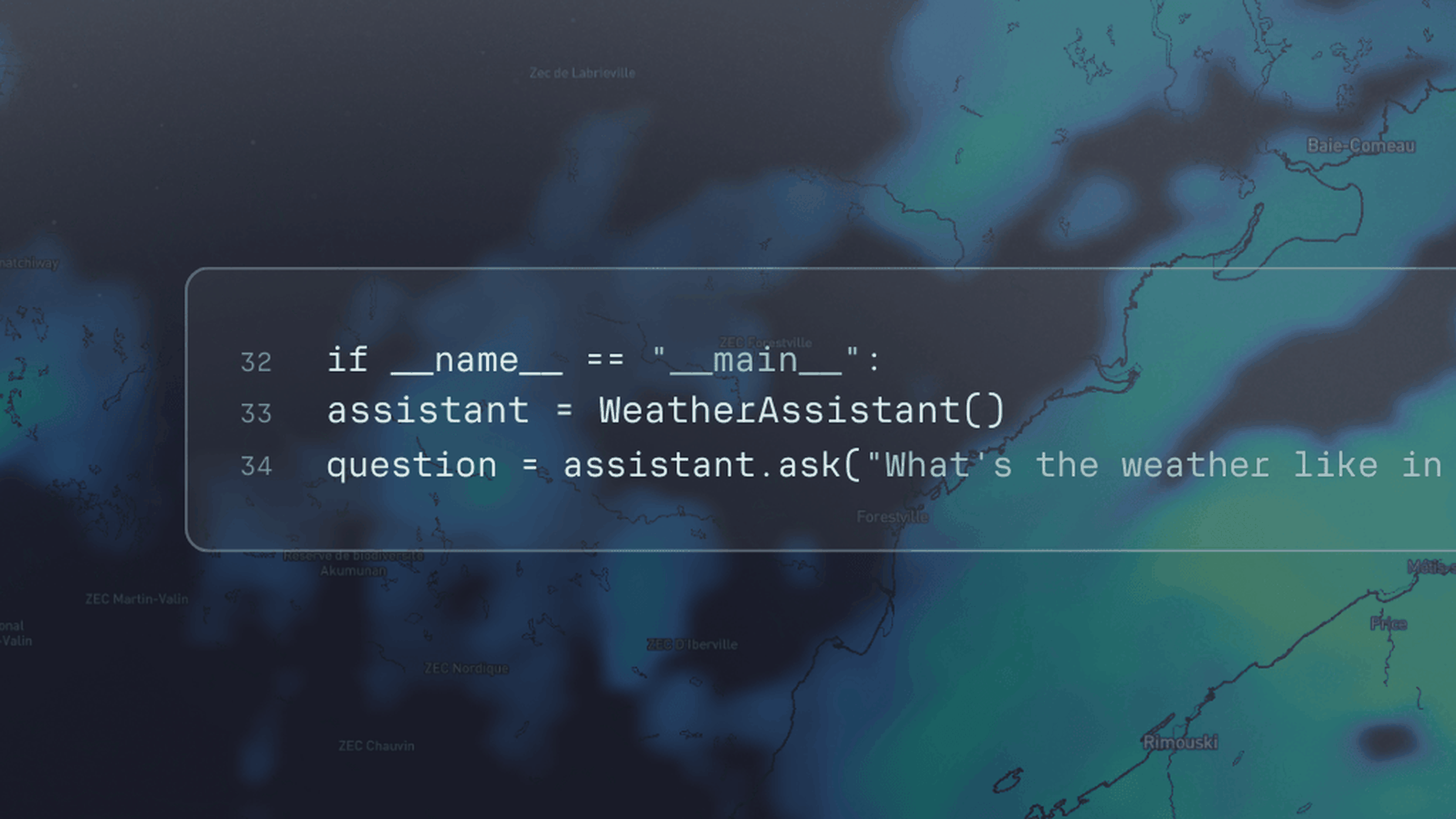
What: Xweather offers 15,000 API accesses per month across its services with no credit card. It supports REST, JSON, GeoJSON, CSV, JavaScript tooling, and an MCP server. Usage beyond the allowance becomes paid; endpoint multipliers can consume the allowance faster.
Why it matters: A live weather dataset can support beginner demonstrations of fetch, JSON, APIs, dashboards, and AI tool integration without fabricated data.
Action: Create a free account only if you expect to build a demo; otherwise save the documentation.
Status: Verified active July 30, 2026. Deadline: No announced deadline. Cost: Freemium/pay-as-you-go. First 15,000 accesses monthly are free; standard endpoints list a $0.0006 base rate after the shared allowance, while premium endpoint multipliers vary. No credit card required to start. Requirements: Xweather account, client ID/secret, and internet access.
Claim the official free API tier → Review official product details →
4. Save TurboFieldfare for a controlled Apple Silicon test
🟢 No deadline · ★★★★☆
What: TurboFieldfare is an Apache-2.0 Swift/Metal runtime that streams Gemma 4 mixture-of-experts weights from SSD, keeping about 2 GB of weights and cache in memory. The author reports 5.1–6.3 tokens/second on an 8 GB M2 MacBook Air.
Why it matters: It directly is relevant to anyone interested in local LLMs and shows an inventive way to run a 26B-parameter model on memory-constrained Macs.
Action: Save the repository; test only if a compatible Mac has at least 15 GB free and you are comfortable building a fresh v0.1 research project. Review source and security notes before running it.
Status: Repository and v0.1 verified July 30, 2026. This is an independent early-stage project, not a mature replacement for LM Studio or llama.cpp. Deadline: No deadline. Cost: Source is free under Apache 2.0; model weights are downloaded separately and retain their own terms. Requirements: Apple Silicon, macOS 26, Metal 4, Xcode 26, Swift 6.2+, internet for initial install, and about 14.3 GB storage. Older macOS and Intel Macs are unsupported.
Open the official GitHub repository →
Free Software
TurboFieldfare is covered in Action 4.
Free Courses & Certifications
No noteworthy developments today.
AI
See Actions 1 and 4. CSTA’s treatment of AI as material distributed across computing concepts—not a separate novelty unit—is the more durable curriculum signal.
Open Source
TurboFieldfare is covered in Action 4.
GitHub Discoveries
TurboFieldfare is covered in Action 4. Hacker News surfaced the project; the repository and release documentation supplied the verification.
Web Development
Xweather is covered in Action 3. Elastic’s case in Action 2 is also a timely reminder that package scripts execute code before a developer has evaluated the application itself.
Linux & Self-Hosting
No noteworthy developments today.
Technical Books
No noteworthy developments today.
Newsletter Highlights
Computer Science Today surfaced the new CSTA standards. TLDR Dev surfaced Elastic, Xweather, and TurboFieldfare. Each item was checked against its original publisher or repository. The controlled Spam/Trash review produced no exceptional ICYMI item.
Reddit Pulse
No noteworthy developments today.
Teaching Corner
Use the CSTA high-school summary as a quick alignment exercise: ask students to connect one current assignment to a formal standard. For a security demonstration, show only the package.json scripts from Elastic’s case—do not execute the malicious repository.
PKb Candidates
-
A legitimate-looking repository can be functional and malicious at the same time.
-
AI literacy belongs inside programming, data, security, and society—not only inside a standalone AI unit.
-
Mixture-of-experts models can trade RAM pressure for SSD traffic by streaming only the experts required for each token.
Trends Worth Watching
-
Computer-science standards are moving from “use AI” toward evaluating AI output, training data, bias, reliability, and harms.
-
Local inference is becoming more hardware-specific, with native Metal runtimes trading portability for efficiency.
-
Trusted developer workflows—job boards, Slack groups, GitHub repositories, and package scripts—are increasingly part of the attack surface.
PTIR favors omission over filler. All actionable claims above were checked against official sources on July 30, 2026.